12 Degrees of Freedom

"When we first started urban gardening, I thought it would be pretty easy. Boy did I have a rude awakening."


Mel King
 
BUG was my
introduction to community organizing. Volunteering there made me aware of the power of food/gardening as a means of organizing people across a broad range of ages, races and ethnicity.
Urban Permaculture
State Representative and visionary Mel King was able to convince his colleagues in the Massachusetts Legislature to provide funds for an urban fruit tree planting project.

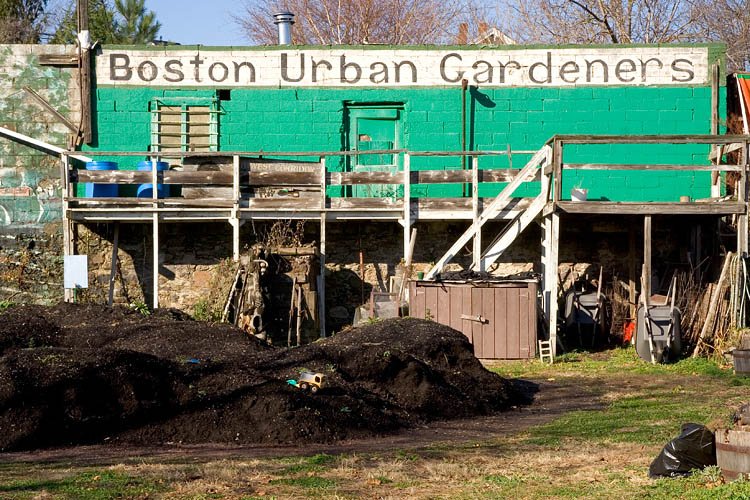
Dare To Be Naive: Boston Urban Gardeners

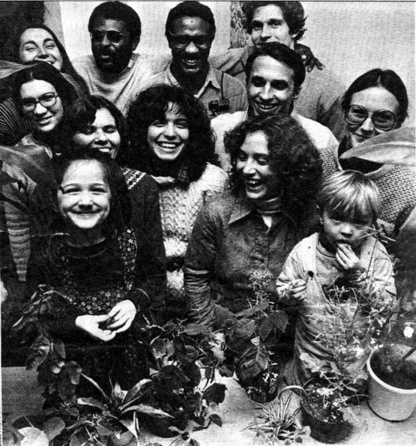
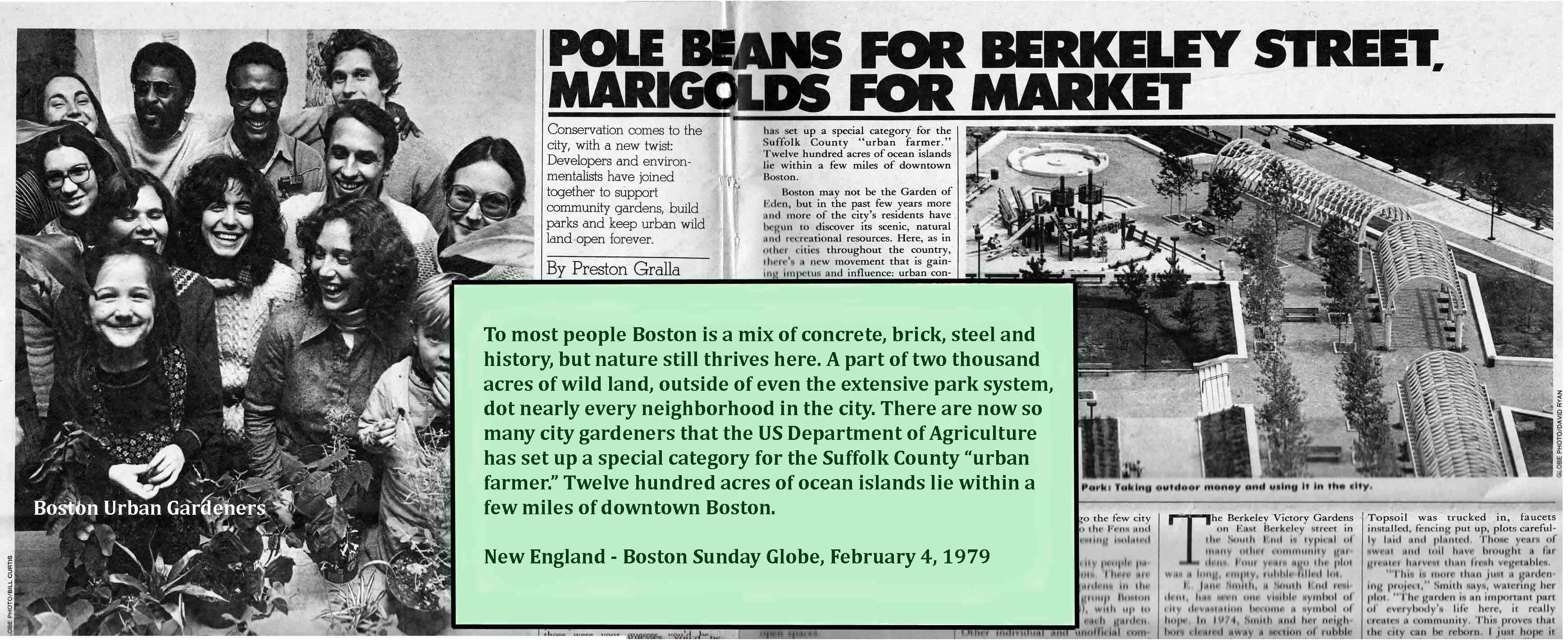
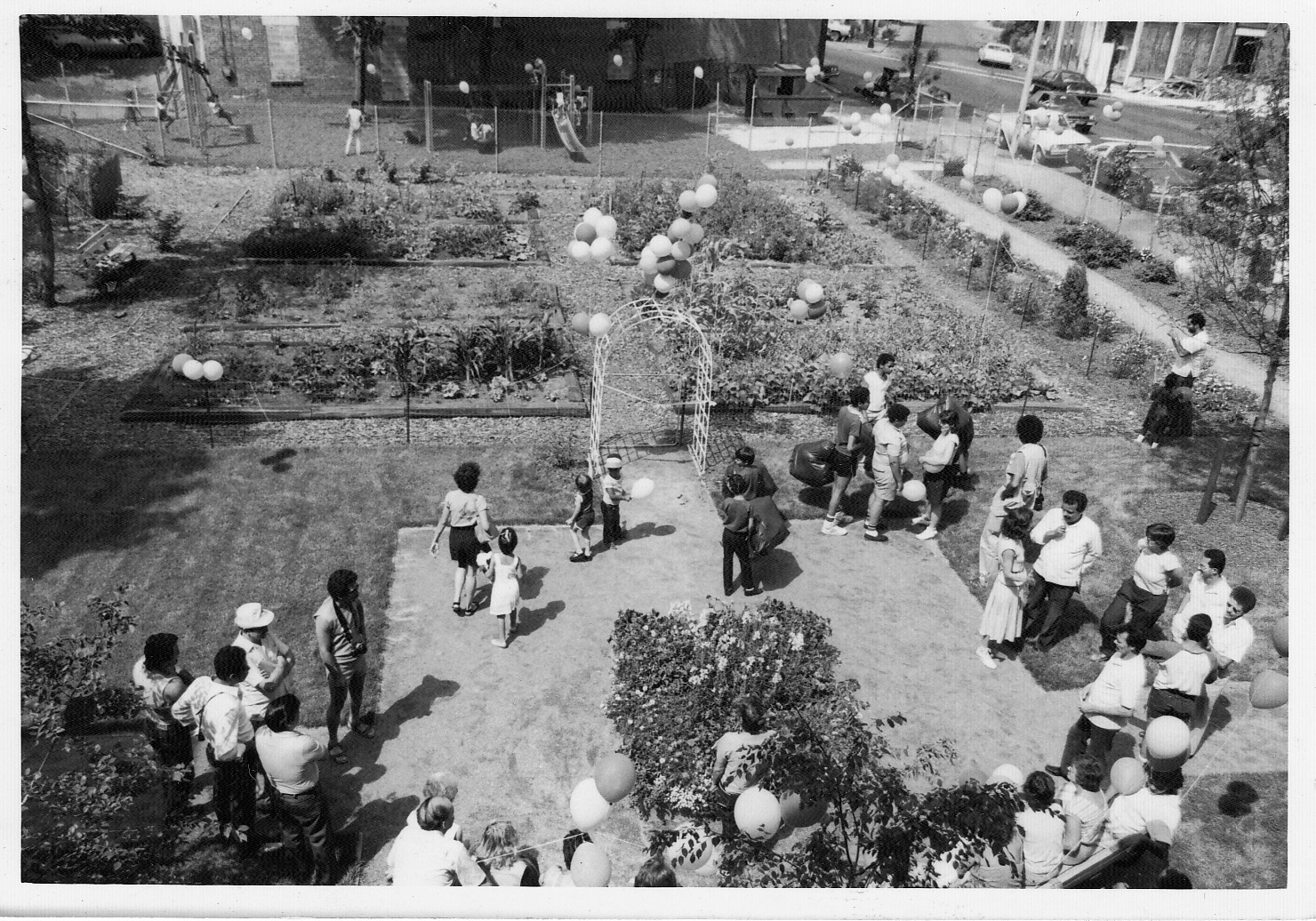
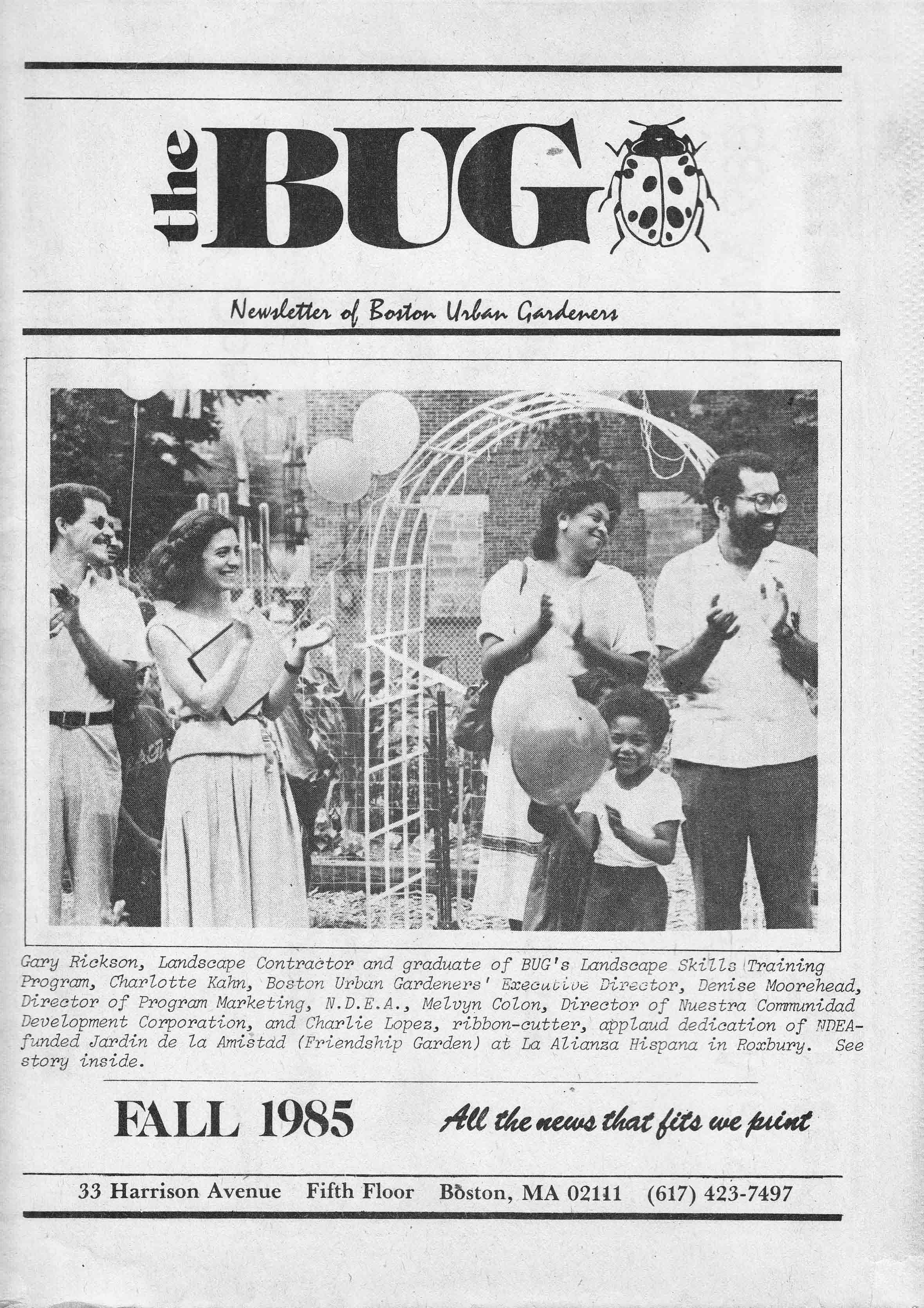
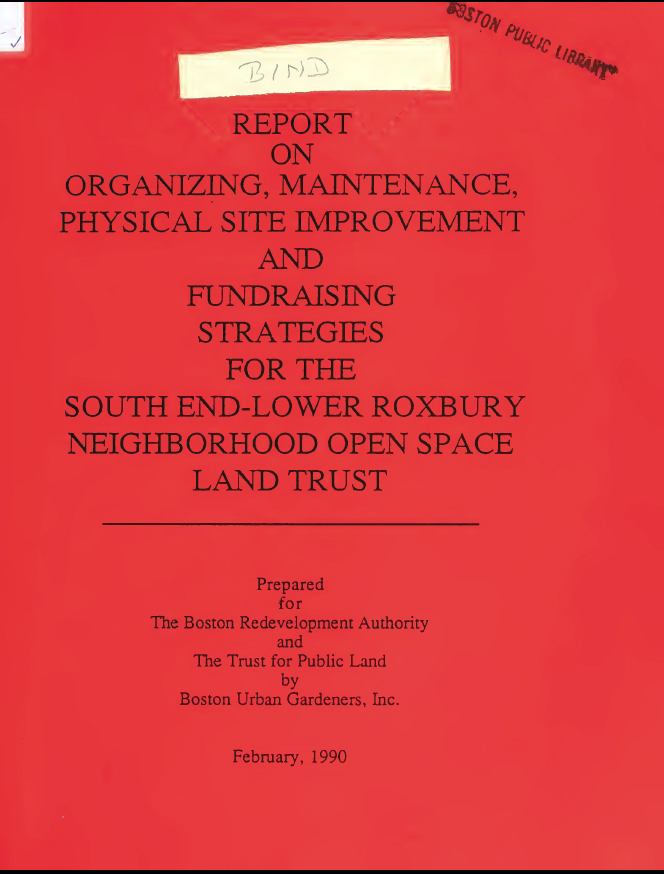
Boston Urban Gardeners (BUG) began in 1976 as a voluntary
association of community leaders and garden organizers from the South End, Roxbury and Jamaica Plain, and quickly grew into a staffed organization with a number of funding sources. The belief that "...urban gardening contributes significantly to good mental health and nutrition, urban neighborhood vitality, aesthetics, and environmental enhancement..." led BUG to serve as a resource for and to work on a variety of projects with people in low income communities throughout the Boston area. BUG also worked with the Boston Housing Authority, Massachusetts Department of Food and Agriculture, and other government and community organizations. In 1990, BUG merged with the Southwest Corridor Community Farm, an organization with similar goals and complementary strengths, and became Boston Urban Gardeners at the Community Farm.

University of Massachusetts
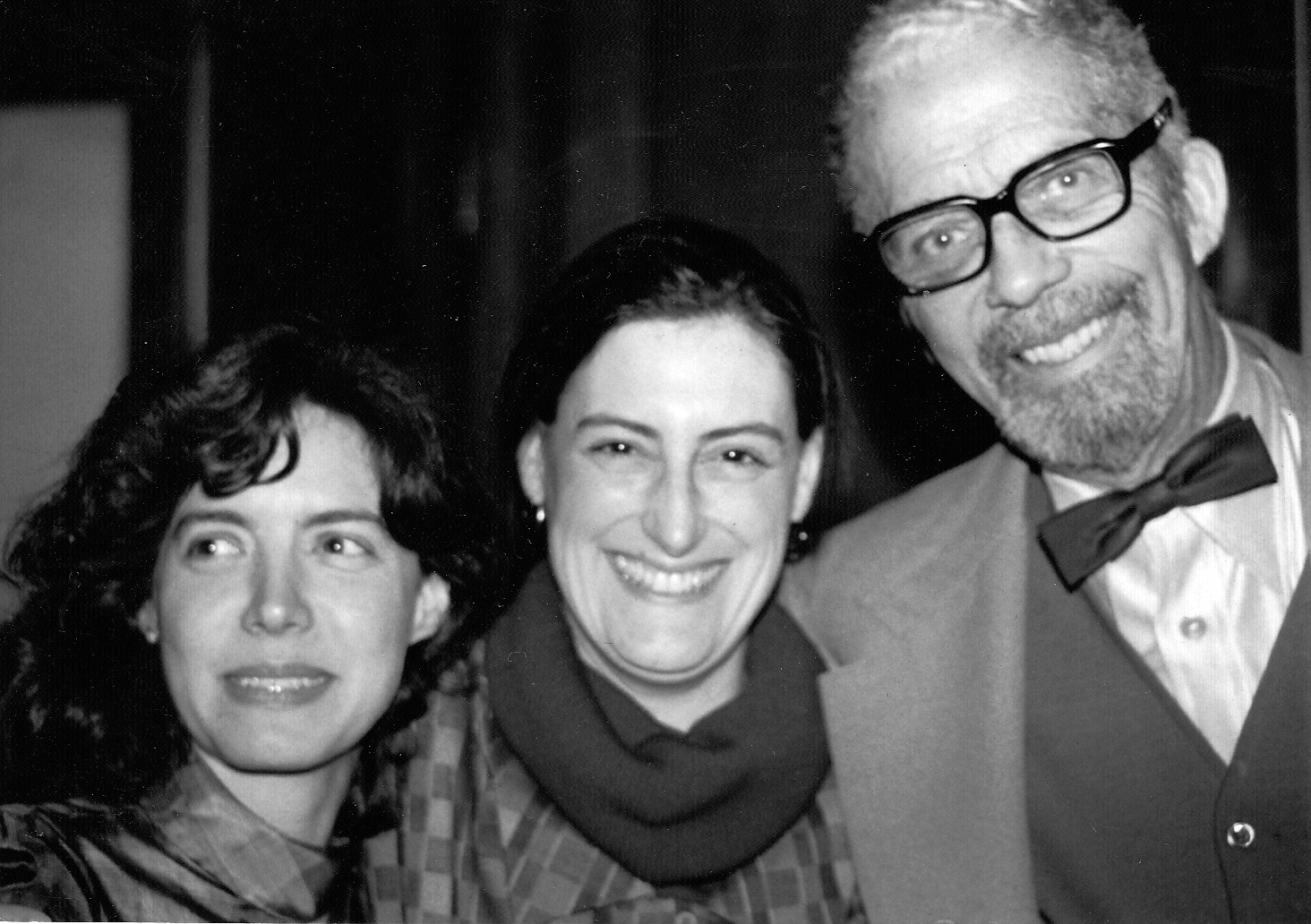
BUG was founded by the amazingly smart, savvy, talented and committed  Charlotte Kahn.  She, along with Wagner and Ed Cooper, long-time president of the BUG board, understood that because urban gardening is so empowering, it is inherently political.  Elected officials thrive on keeping their constituents dependent upon them to some degree for their basic needs.  The more individuals and communities gain some measure over meeting these needs themselves, the greater the degree of parity between them and their political representatives.
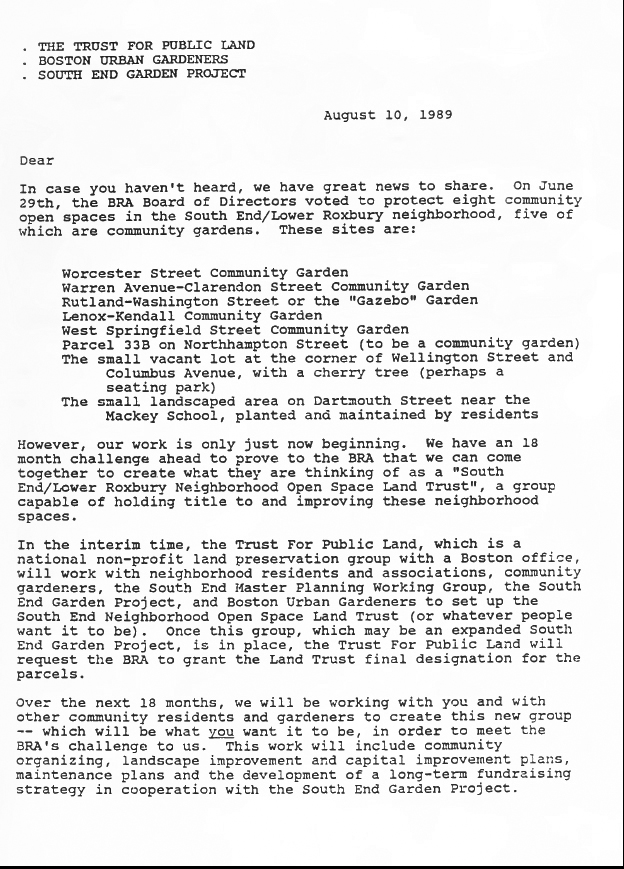
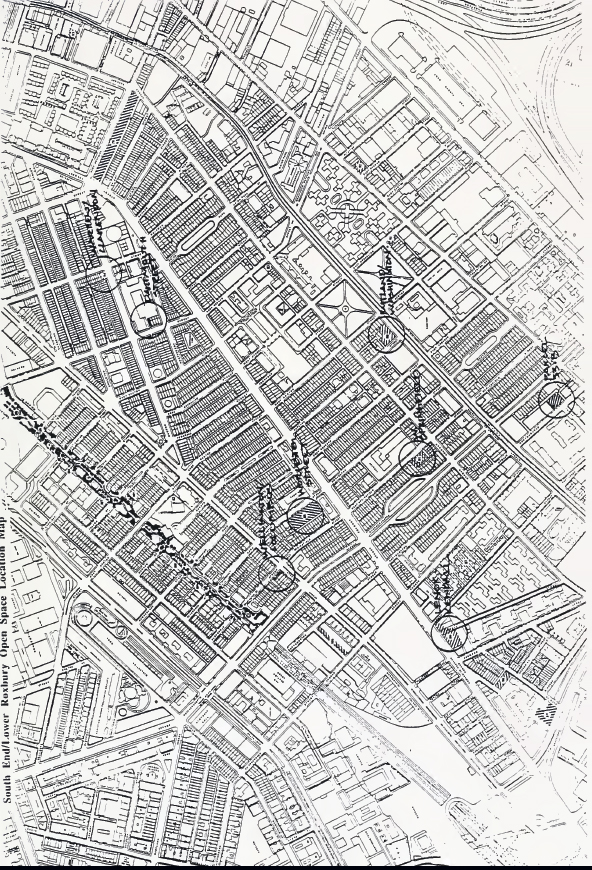
BUG worked with Boston mayor Ray Flynn and his staff at the Boston Redevelopment Authority (BRA) to identify city-owned parcels that for one reason or another were not suitable for housing or commercial development.  The city packaged them and made them available to BUG to purchase.  BUG raised money through raffles and other activities, purchased the land and turned it into a trust, preserving the land for urban gardening.
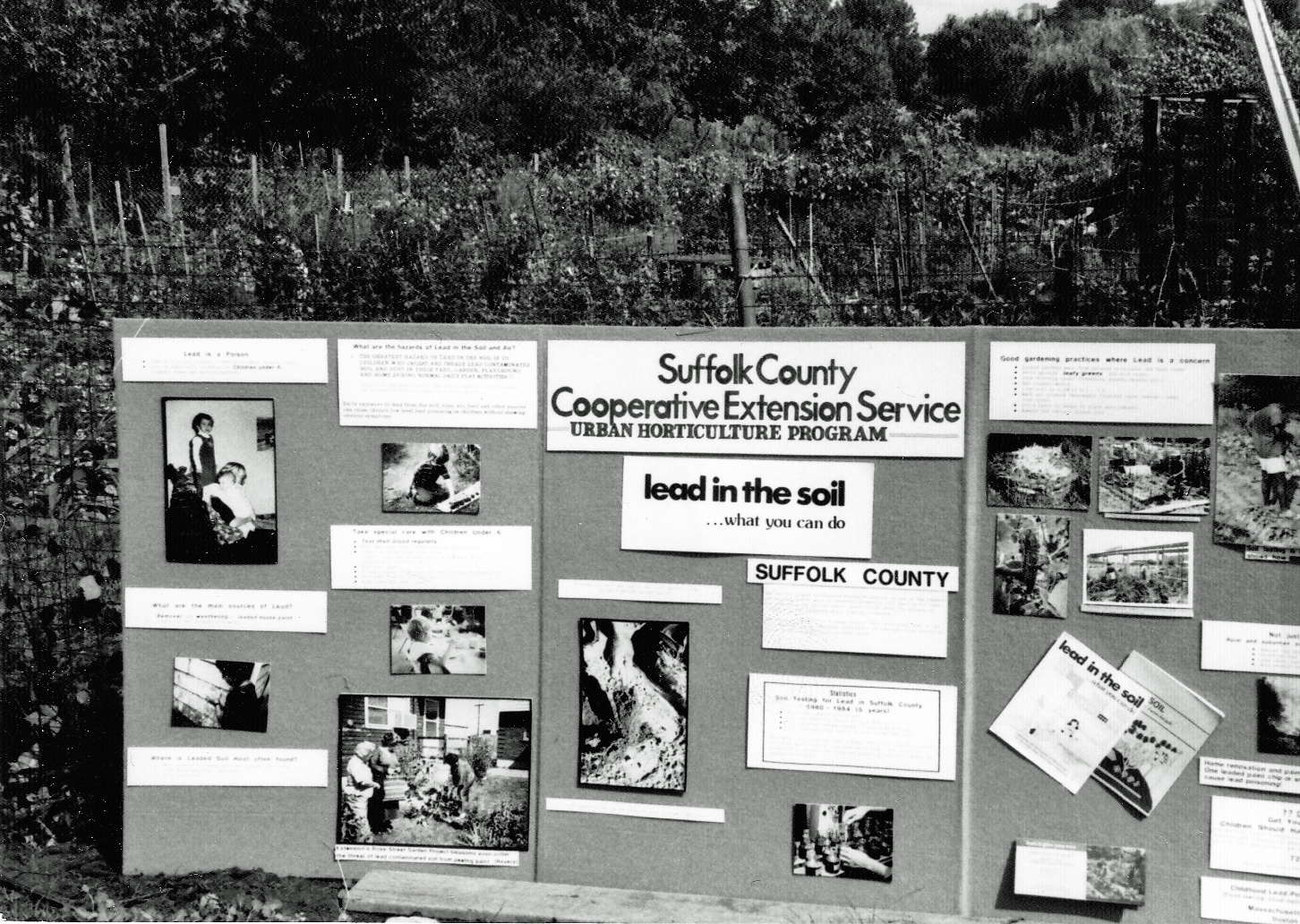
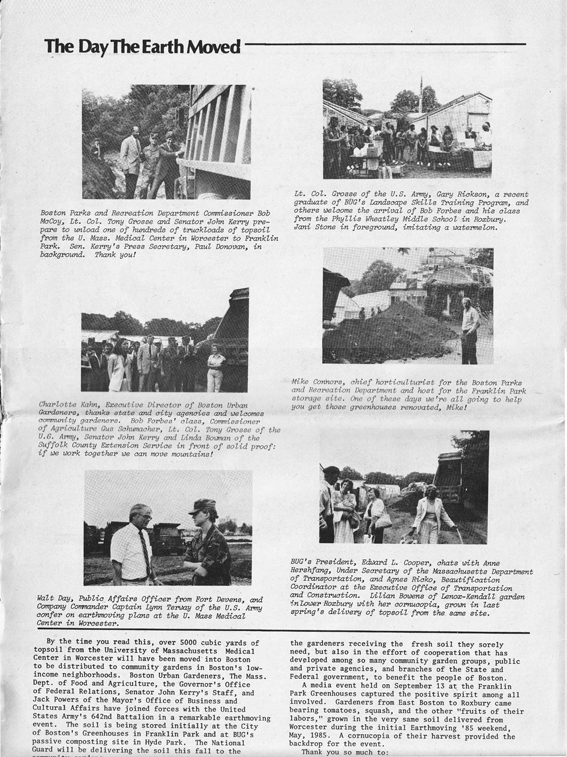
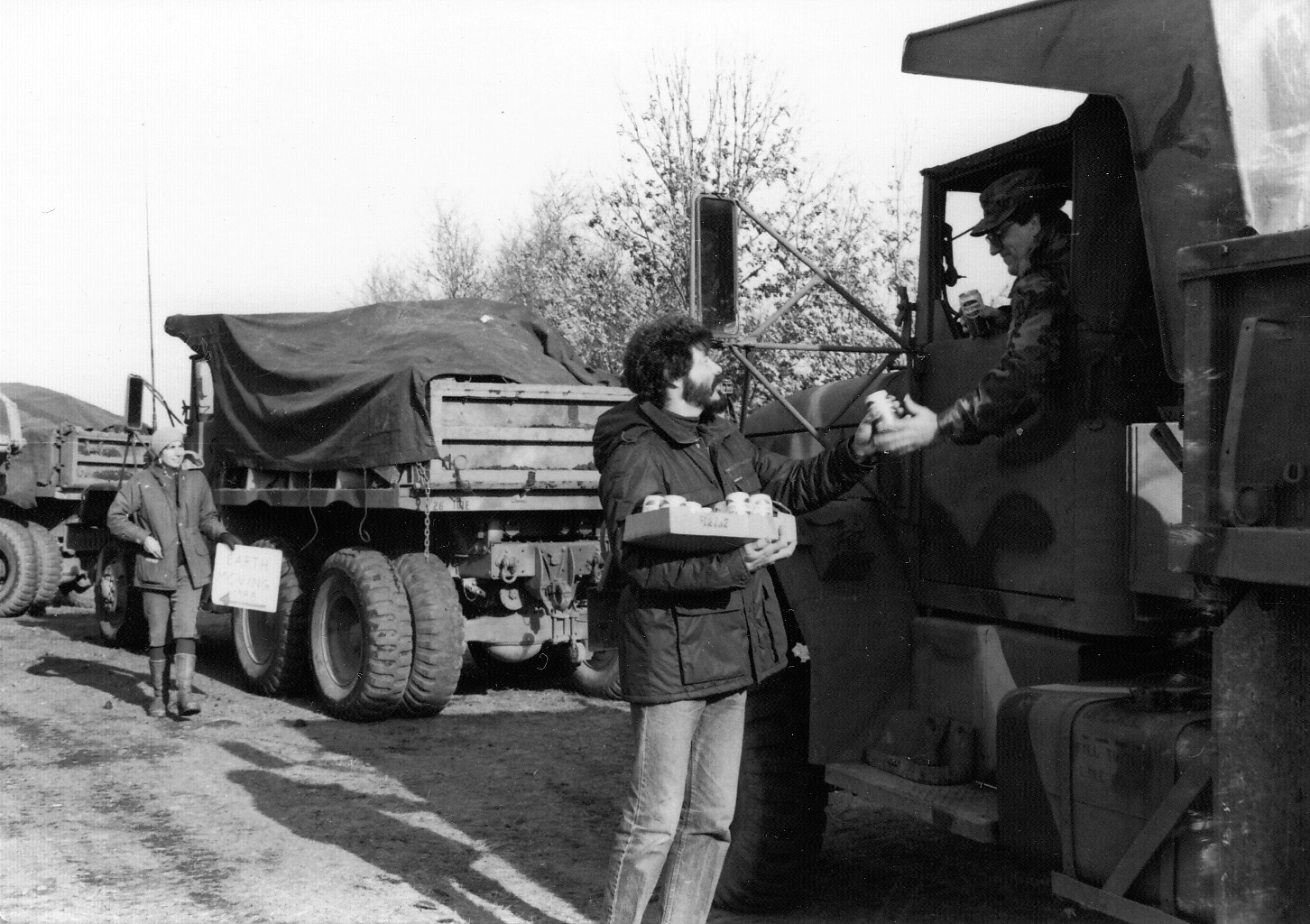
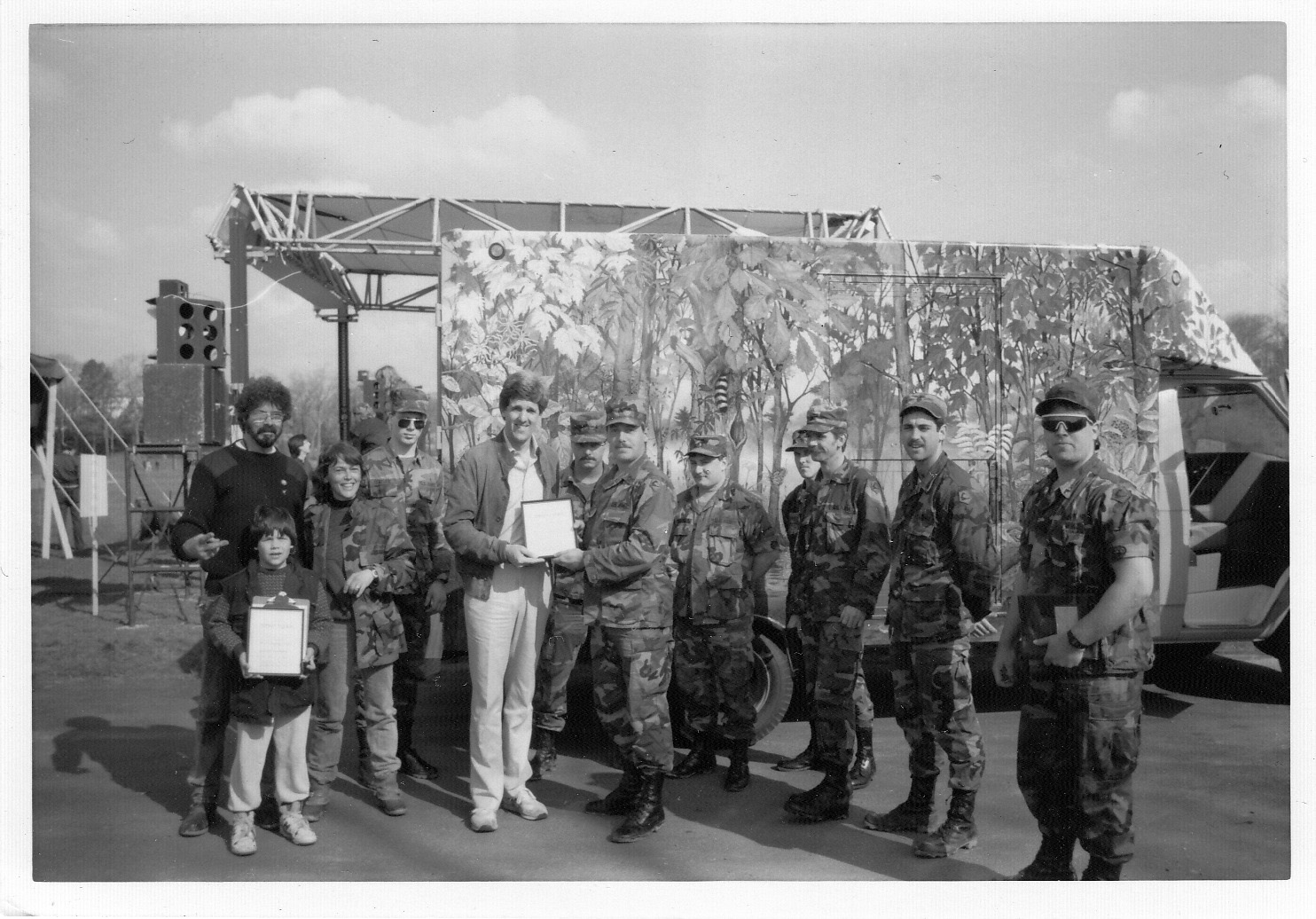
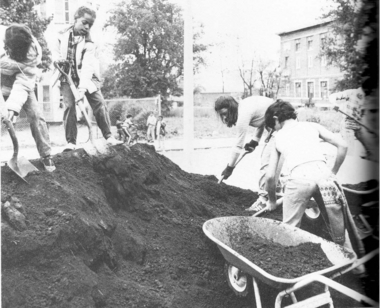
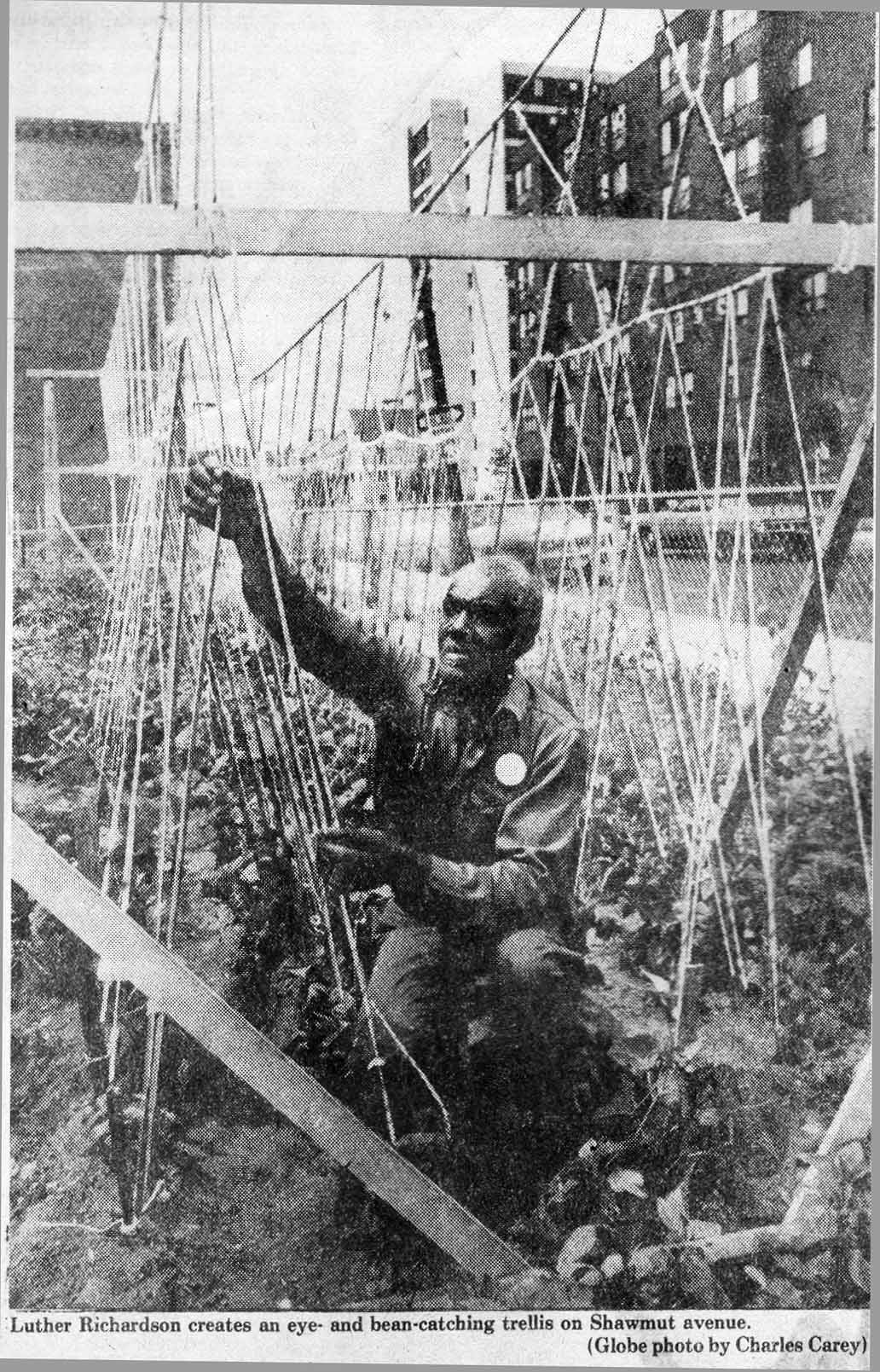
Gaining access to gardening resources started with the very basics including topsoil and water.  BUG worked closely with the Suffolk County Extension Service -- one of the first urban agricultural extension services in the nation - to test soils for lead and other toxic substances.  BUG organizers were without peer.  They were able to convince the National Guard to assist them in transporting clean topsoil from building sites to city gardening sites.
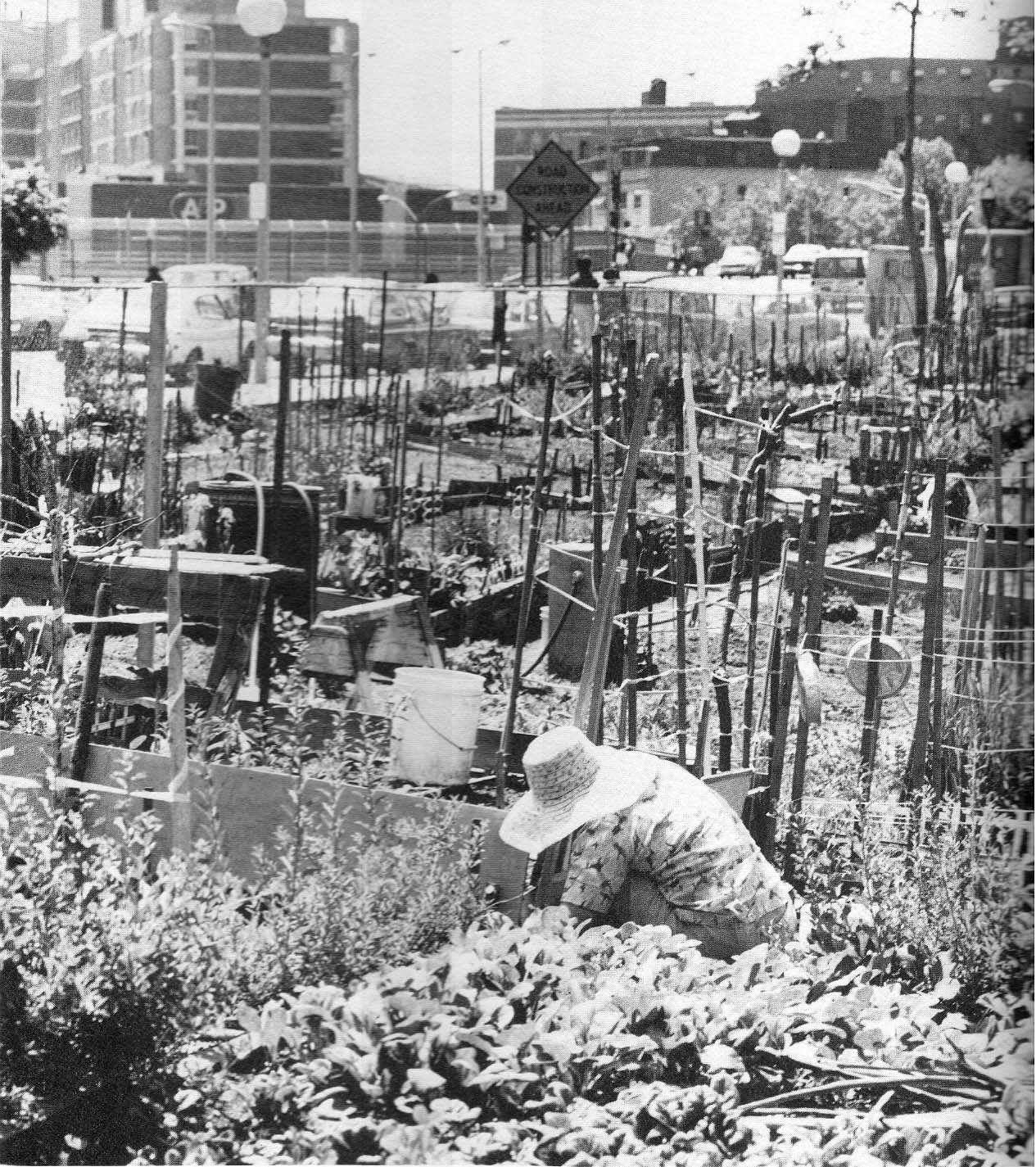
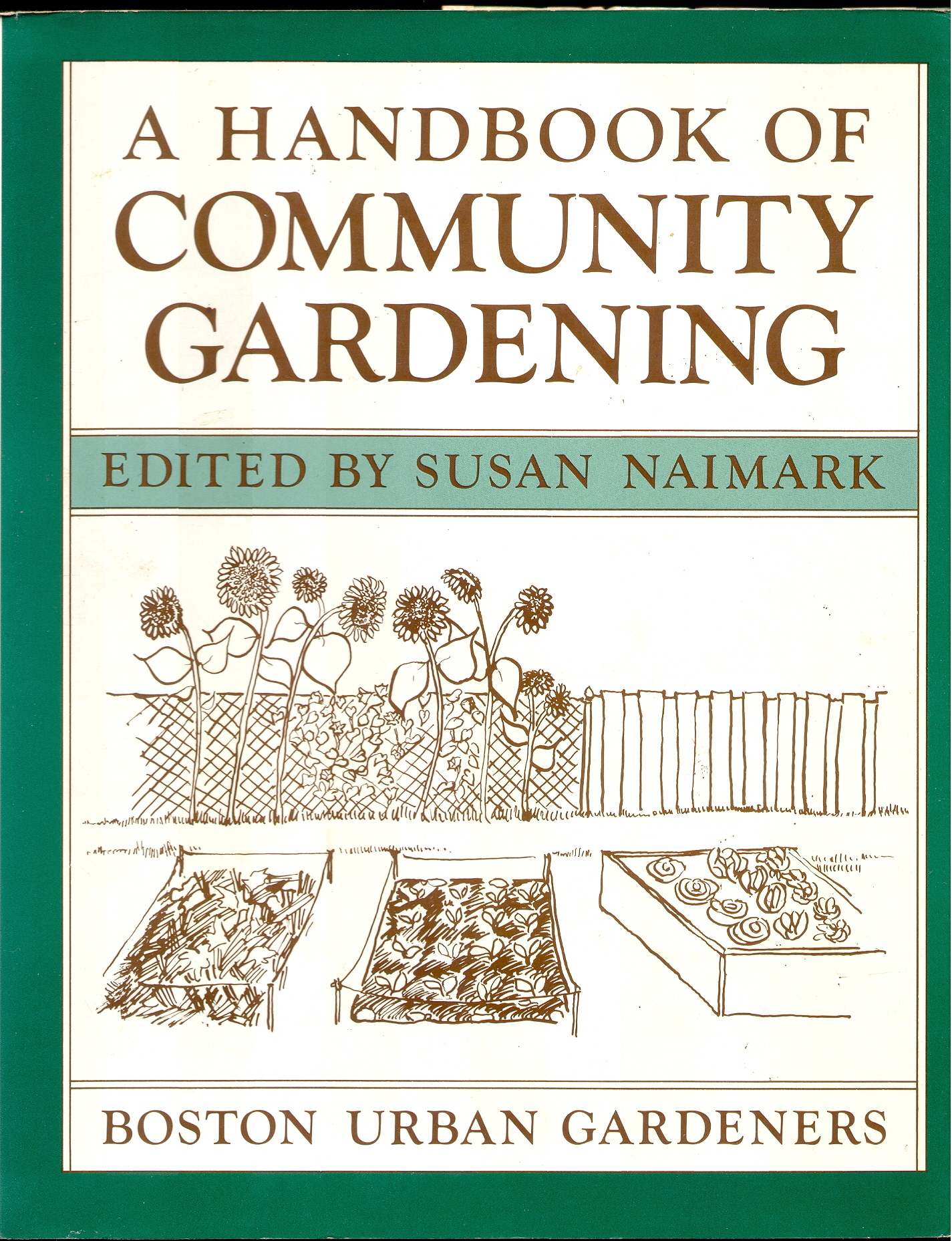
It may be difficult to understand how difficult it was to gain access to land and other resources to establish urban gardens 25-30 years ago. Bug published its Handbook of Community Gardening in 1982.  Although out-of-print, it remains relevant today.
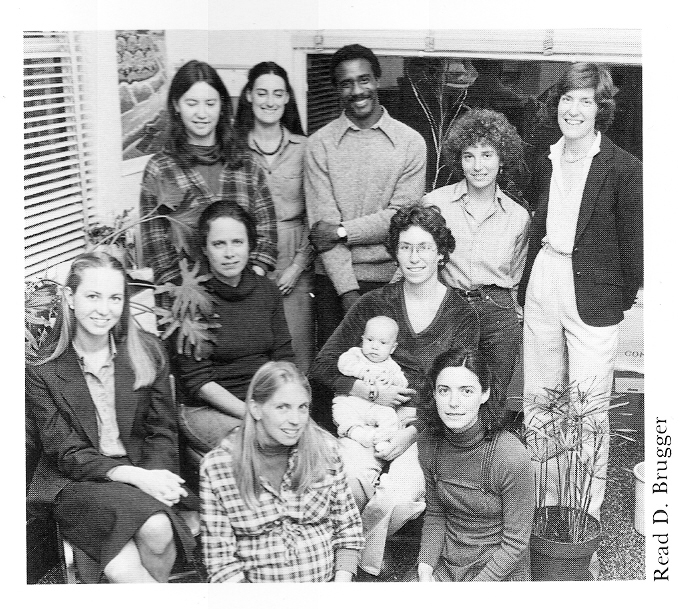
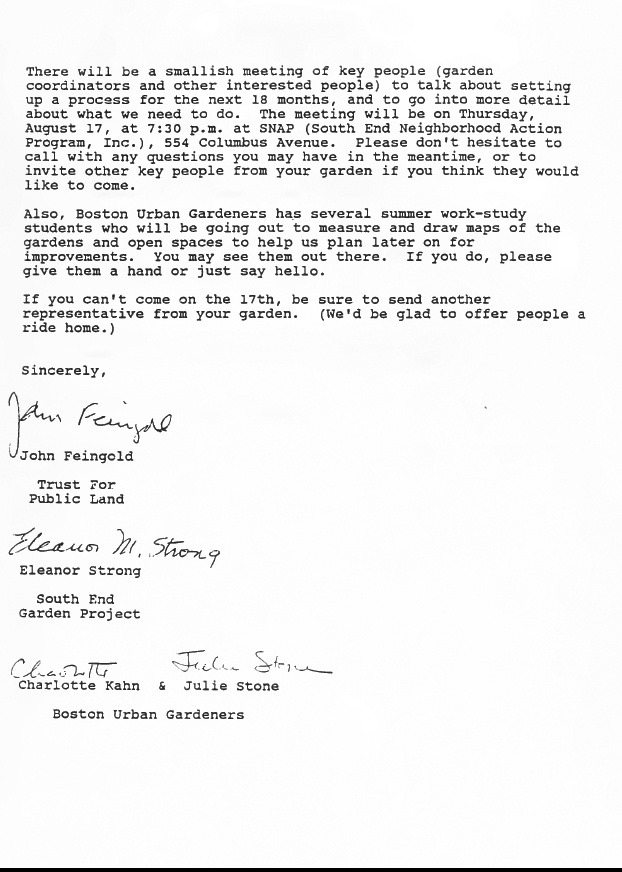
Contributing authors to the Handbook.
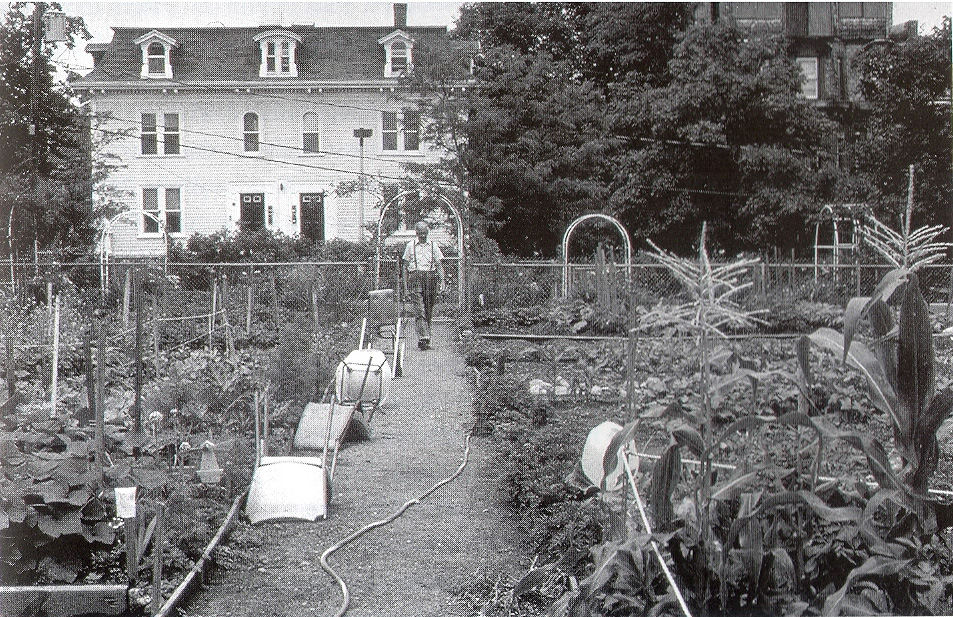
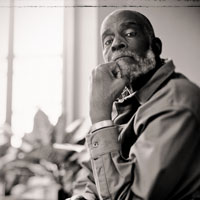
BUG President Ed Cooper surveying his garden at his Roxbury home.